


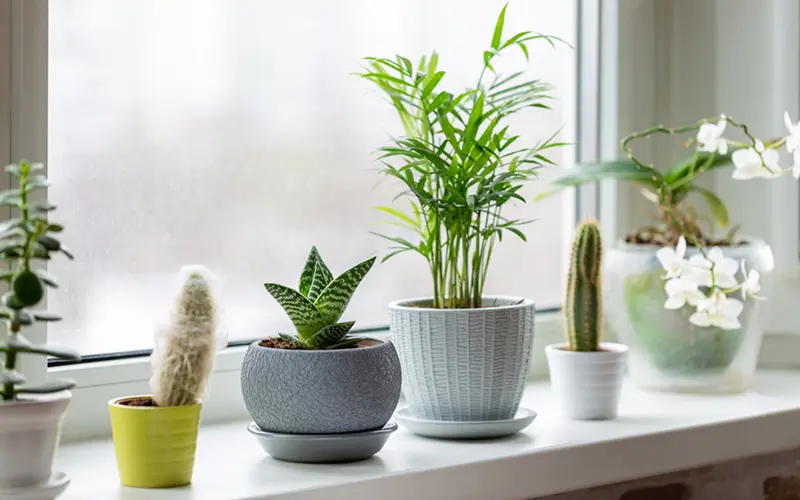
Houseplants add beauty and freshness to any indoor space, but to keep them thriving, proper nutrition is essential. Just like outdoor plants, indoor plants require the right balance of nutrients to grow strong, produce vibrant leaves, and resist diseases.
Choosing the best fertilizer for your houseplants can make all the difference in their overall health and longevity. In this guide, well explore the best fertilizers for houseplants, how to apply them, and tips to ensure your plants get the nourishment they need.
Understanding Houseplant Nutrients
Fertilizers provide essential nutrients that plants need to grow. The three primary nutrients, known as macronutrients, are:
- Nitrogen (N) promotes leafy growth and overall greenery.
- Phosphorus (P) supports strong roots and flower development.
- Potassium (K) enhances plant health and disease resistance.
Besides these, micronutrients like calcium, magnesium, and iron also play a vital role in plant development.
Recommended Products: CK NPK Complex Fertilizers
Types of Fertilizers for Houseplants
There are different types of fertilizers available, each with its own benefits:
Liquid Fertilizers :
Quick-acting and easy to apply, liquid fertilizers are mixed with water and used during regular watering. They provide an instant boost to plants.
Slow-Release Fertilizers
These fertilizers come in granules or pellets that break down gradually over time, providing nutrients consistently.
Organic Fertilizers
Made from natural ingredients like compost, seaweed, or worm castings, these fertilizers improve soil health while nourishing plants.
Recommended Products: Unique Fertilizers
Synthetic Fertilizers
Chemically formulated, synthetic fertilizers provide precise nutrient amounts and are often highly effective for rapid plant growth.
Recommended Products:
How to Apply Fertilizer to Houseplants
Proper application is key to ensuring houseplants benefit from fertilizers:
Frequency
Most houseplants should be fertilized every 24 weeks during their active growing season (spring and summer) and less frequently in fall and winter.
Dilution
Always follow the instructions on the fertilizer package to avoid over-fertilization, which can burn plant roots.
Application Method
Apply liquid fertilizers during regular watering, while granular fertilizers should be sprinkled on top of the soil and lightly mixed in.
Common Mistakes to Avoid
Over-Fertilizing
Too much fertilizer can lead to salt buildup in the soil, causing root damage.
Under-Fertilizing
Without enough nutrients, plants may become weak and have slow growth.
Using the Wrong Type
Different plants have different nutrient needs. Research your specific plants requirements before selecting a fertilizer.
For further reading, check out: best fertilizer for tomatoes
Conclusion
Fertilizing your houseplants correctly can significantly impact their health and appearance. By understanding the types of fertilizers available and following proper application methods, you can ensure your indoor plants remain lush, green, and vibrant all year round. Remember, the key to successful fertilization is balanceproviding the right nutrients in the right amounts at the right time.
FAQs
1. How often should I fertilize my houseplants?
Most houseplants should be fertilized every 24 weeks during the growing season (spring and summer). In fall and winter, reduce the frequency as plants enter dormancy.
2. Can I use outdoor plant fertilizer for indoor plants?
While some outdoor fertilizers can be used for houseplants, they may be too strong or have different nutrient compositions. Its best to use fertilizers specifically formulated for indoor plants.
3. What are signs that my houseplant needs fertilizer?
If your plant has slow growth, pale or yellowing leaves, or weak stems, it may be lacking essential nutrients. Regular fertilization can help restore its health and vitality.
Most houseplants should be fertilized every 24 weeks during the growing season (spring and summer). In fall and winter, reduce the frequency as plants enter dormancy.
While some outdoor fertilizers can be used for houseplants, they may be too strong or have different nutrient compositions. It’s best to use fertilizers specifically formulated for indoor plants.
If your plant has slow growth, pale or yellowing leaves, or weak stems, it may be lacking essential nutrients. Regular fertilization can help restore its health and vitality.